LBGT an’all are fine by me,gumboil. I don’t give a hoot who loves who.
Love,not war,dude. Perhaps if you put yer teeth in,had this years annual wash,stopped blowin’ yer massive conk on yer shirt,or even just stopped setting light to your farts,you MIGHT get a boyfriend!
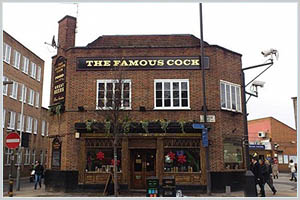
This is true, once in an office I worked in, I was conversing with a lady, many years my senior, about a Pub called “The Cock Inn”, just a couple of miles beyond the city boundary, out in the country. she lived right on the boundary, and said, when I was a young girl, I was very familiar with the Cock Area,…of course being a gentleman, I let it go.
Ok, Now back to our favourite places.
I do love Christchurch, it is steeped in history.
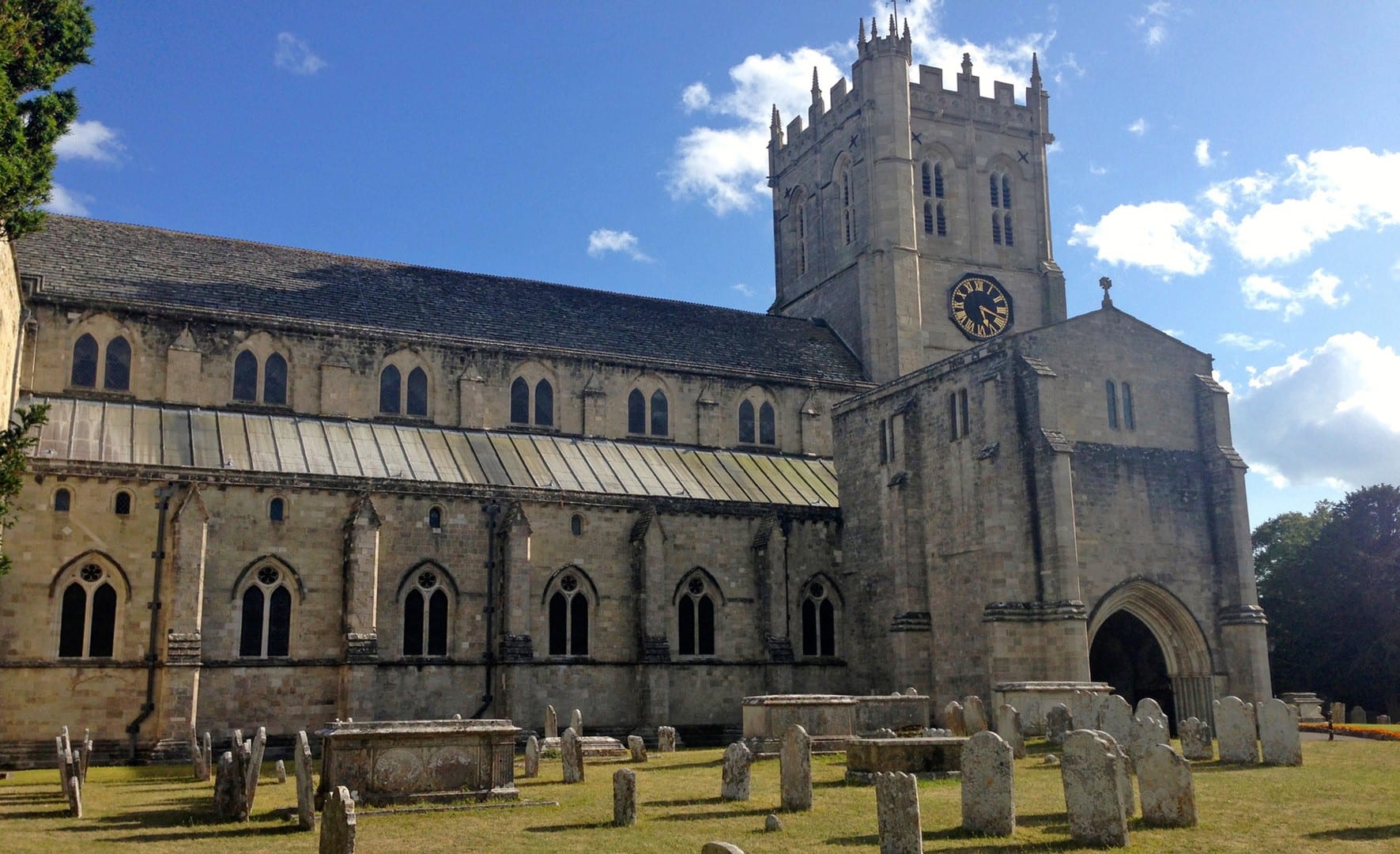
Christchurch Priory.
Christchurch Priory
Christchurch Priory is an ecclesiastical parish and former priory church in Christchurch in the English county of Dorset (formerly in Hampshire). It is one of the longest parish churches in the country and is larger than 21 English Anglican Cathedrals.
Early history
The story of Christchurch Priory goes back to at least the middle of the 11th century, as Domesday says there was a priory of 24 secular canons here in the reign of Edward the Confessor. The Priory is on the site of an earlier church dating from 800AD. In 1094 a chief minister of William II, Ranulf Flambard, then Dean of Twynham, began the building of a church. Local legend has it that Flambard originally intended the church to be built on top of nearby St. Catherine’s Hill but during the night all the building materials were mysteriously transported to the site of the present priory. Although in 1099 Flambard was appointed Bishop of Durham, work continued under his successors. A mid-12th century account recording the legend of the Christchurch Dragon indicates that by 1113 the new church was nearing completion under Dean Peter de Oglander. By about 1150 there was a basic Norman church consisting of a nave, a central tower and a quire extending eastwards from the crossing. It was during this period that another legend originated, that of the miraculous beam, which is thought to have brought about the change in the name of the town from Twynham to the present day Christchurch, but in fact the two names both featured in a grant dated AD 954 (‘juxta opidum Twinam, id est, Cristescirce’).