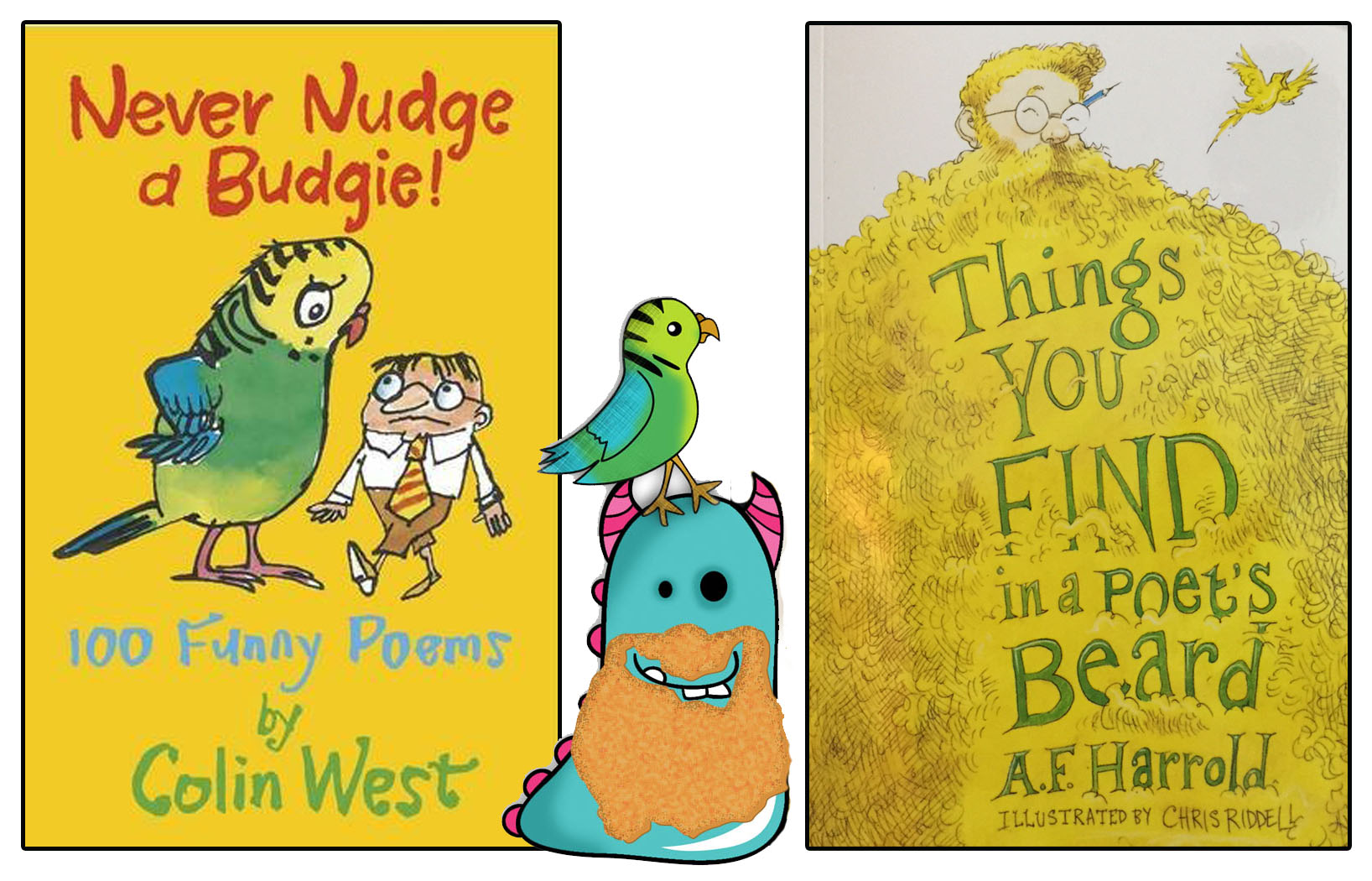
James Spader lighting up…
Gummy, I am a fan of DADA,
Barry Humphries was one of it’s leading exponents
Sweetie has the Candy Bar, well, as I travelled through Leamington Spa today, I noticed another fellows Hostelry.
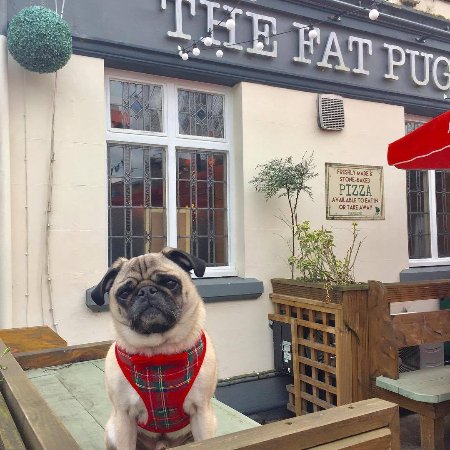

I missed Young Robert.
I forgot what I had to post:confused:
A mere pub Spitty! 
Take a gander at MY Hotel in Singapore, all are welcome, it has four bars each named after the four provinces in Ireland, the Ulster, Munster, Leinster, and the Connaught.
https://i.postimg.cc/3Nc16yny/JEM-_Boon-_Lay-_Jurong-_Tuas-_Singapore.jpg
Once Jem, a Pub was everything, it ain’t now.
Oh! Judy Brannigan, you are me darlin’,
You are me lookin’ glass from night till mornin’,
I’d rather have you without one farthin’,
Than Susan Gallagher with her house and garden.
(From “Children of the Dead End” by Patrick MacGill)
“If unskilled Irish migratory workers in twentieth-century Britain may be said to have anything so lofty as a literary laureate, then Patrick MacGill (1890–1963) has first claim to the title. Born to a desperately poor Donegal family, MacGill was hired out as a farm labourer while still a child and by the age of 15 was ‘tatie-hoking’ (digging potatoes) in Scotland. He subsequently worked as a navvy, railway platelayer and labourer on the construction of an aluminium smelter at Kinlochleven reservoir, until the favourable reception of his first volume of verse, Gleanings from a Navvy’s Scrapbook (1910), led to a job with the London Daily Express. MacGill’s journalistic career proved short-lived, however, and by the time Children of the Dead End appeared in March 1914 he was working as a librarian in Windsor Castle, under the supportive tutelage of Canon John Dalton. The book became an instant bestseller, though its critical and commercial success in England contrasted starkly with its hostile reception in culturally conservative Irish quarters, including MacGill’s home town of Glenties.1 Within months, he was serving with the London Irish Rifles in France, an experience he immediately drew upon in verse and fiction, notably in his war trilogy The Amateur Army (1915), The Red Horizon (1916) and The Great Push (1916). Although he continued to write prolifically, MacGill’s popularity waned significantly in the post-war years. By the 1930s he had developed multiple sclerosis and was living in Florida with his wife and fellow author, Margaret Gibbons. His death in November 1963, within hours of the assassination of President John F. Kennedy, went unnoticed. Since 1981 Glenties has hosted an annual summer school named in his honour”
The concept of, none graft, a strange reality, apparently.
A part of me want’s to sign out, another part wants to stay and engage, Oh, if only a person could have the best of both worlds.
I will need to find a song or something for you Spitty. I bet there are pubs.
you sittin on the fence again spittie - we’ve told ya you’ll get splinters in ya winters?? RJ tell’im - in verse if ya can?
Where is Young Robert.
I even found a song for him.
Where is Ciderz?
Where am I?
Where is U - just before V for victory!
I can hear Possums.
They are coming to get me.
oh yes yummy yummy 0 show us one of ya chocolate numbers I like devouring them! woof woof!
Good Night Possums. X
we come on together and go off together - is this some sort of variety show?
OIY where are the scribblers???