It’s good to be aware of any health risks. One thing I just learnt is that if one LED gets broken, the lamp should be disposed of immediately.
A few comments on the video.
When they pick such a catchy headline, they should explain how asbestos and LEDs compare. Asbestos has a local effect by affecting the lungs while LEDs leading to mitochondrial dysfunction have a systemic effect. Not as many people have been exposed to asbestos as to LEDs. That doesn’t sound like the same level.
The interviewee talks about that dent in life expectancy being caused by one factor, LEDs, without giving any evidence. Generally speaking, it would’ve been helpful if he’d shown alternatives and had put the problem a bit more into perspective.
Consumers are sitting on a variety of time bombs like microplastics, WIFI, electric smog in general, pesticides and many more, seemingly without doing anything about it. Time will tell.
I think this is the key point. Modern life, technology, materials science, chemicals and food science are all most likely killing us and all life on earth. Well, not so much killing (if that is held to be a single action that leads directly, even if not immediately, to a very premature death). More like harming us & all life in some poorly quantified way. For each specific factor, is it harming 100% of people exposed? Is it the only factor, or indeed the dominant factor, that is causing this harm? Is the harm always, eventually, fatal? Would the removal of all these factors actually also lead to a different harm?
I’m not going to worry about LED lights.
Despite all of the hidden ‘dangers’ we humans live with on a daily basis, we’re all living much longer - food for thought.
In my opinion, fretting about them is likely to do more harm to our health than anything else.
And as far as asbestos is concerned, my lovely father was a victim to this awful disease (mesothelioma) 25 years ago.
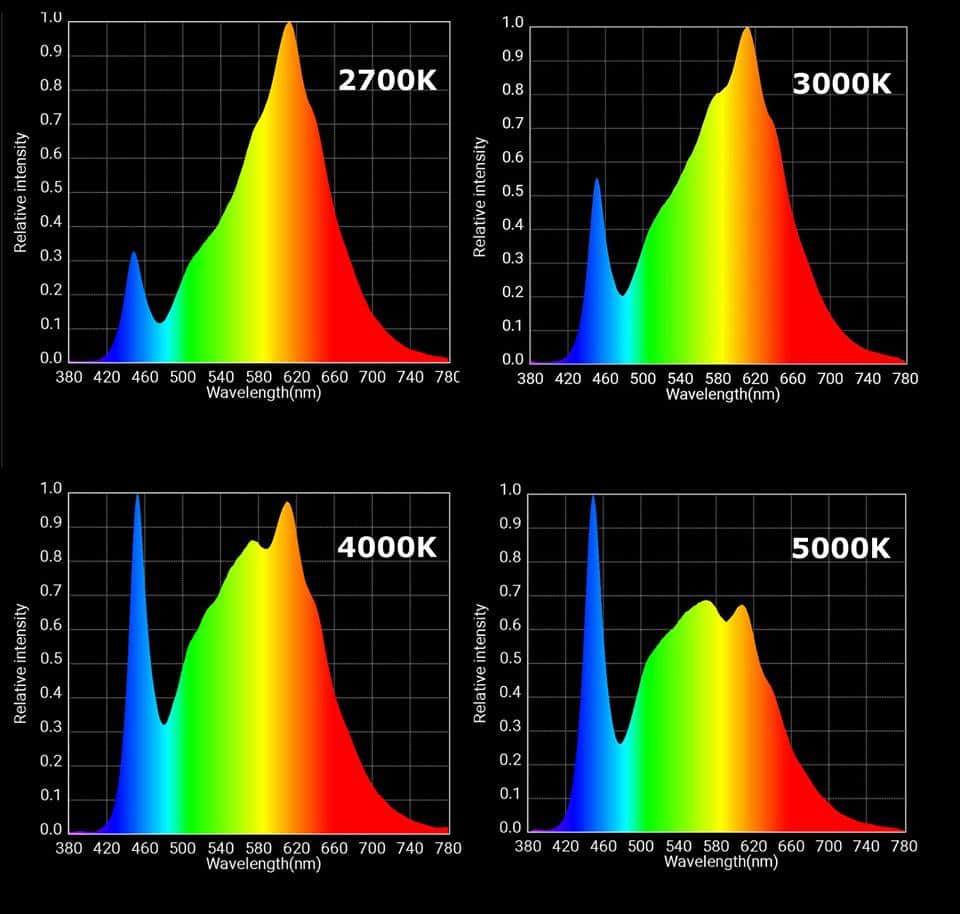
IMO that video states a load of old bunkum. LED lamps are usually colour corrected and the warm white (colour temp 2700K to 3000K) emit plenty of the red in their spectrum.
The human eye sees red light when wavelengths are between approximately 620 and 750 nanometers.
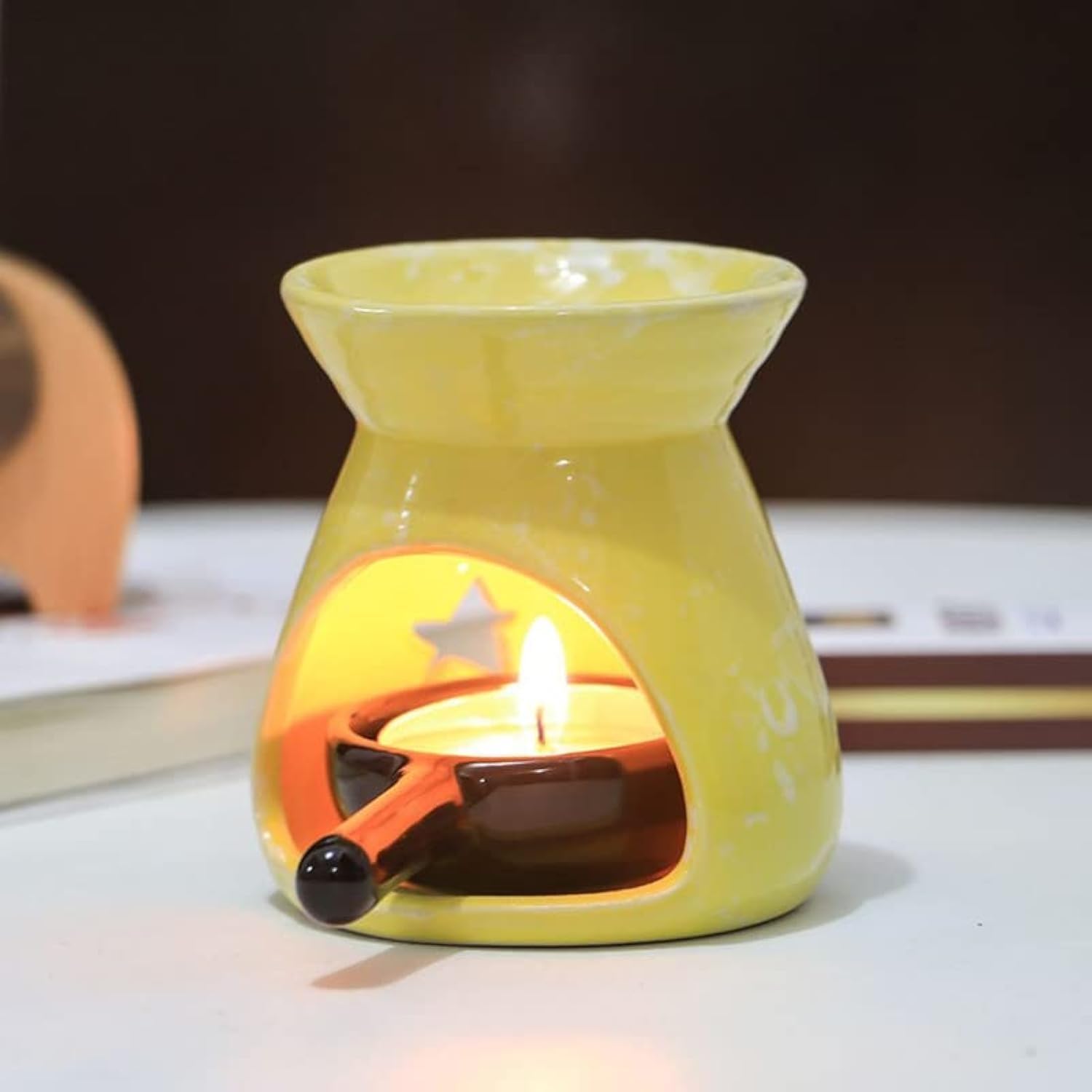
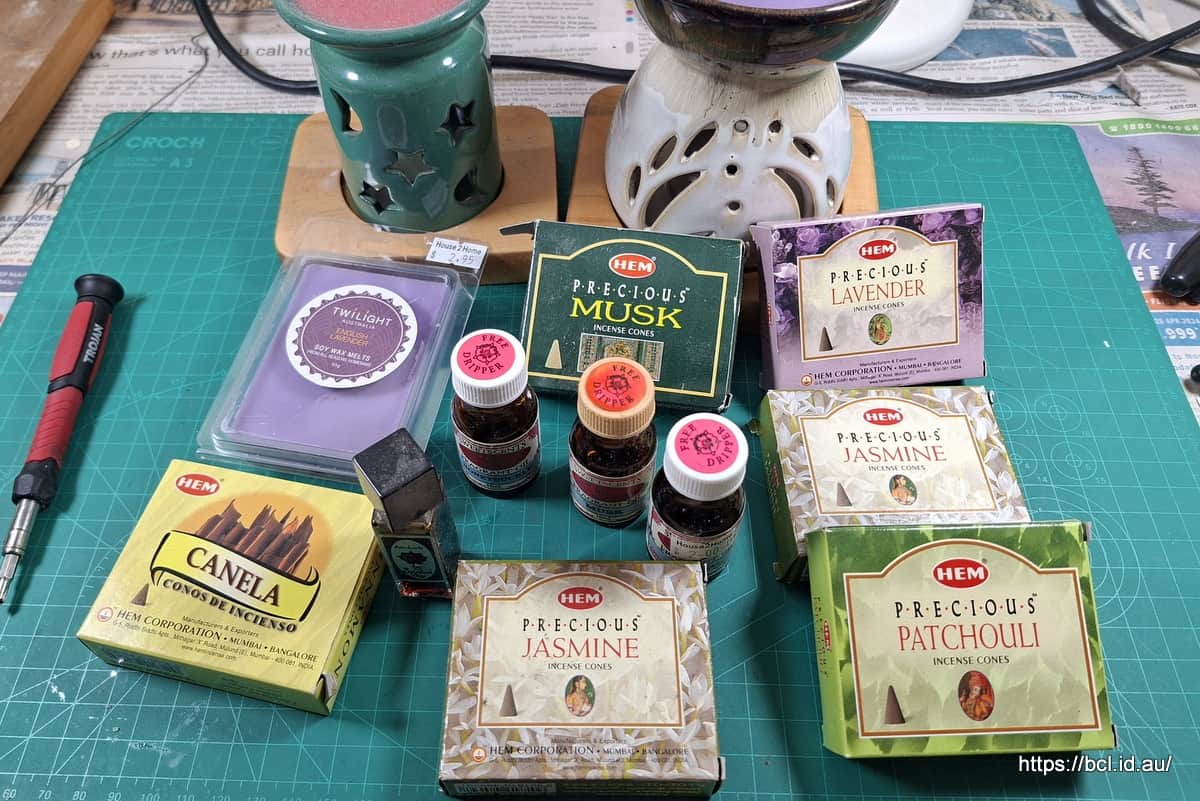
I quite enjoy a little aromatherapy, it’s all the more relaxing when appreciated in candle light. Takes away all my stresses and worries about using LED lights…
I don’t mind aromatherapy or homeopathy, if it works for you why not. It’s always better than anything you get off the doctor. Consider it your first line of defence…
I think your trip to the UK has turned you into Victor Meldrew
Aromatherapy has proven benefits, many essential oils are just as if not more powerful than synthetics, like Tea Tree Oil, Pine Oil, Birch Oil, Eucalyptus Oil etc
But if you want to keep using what big Pharma peddle feel free to
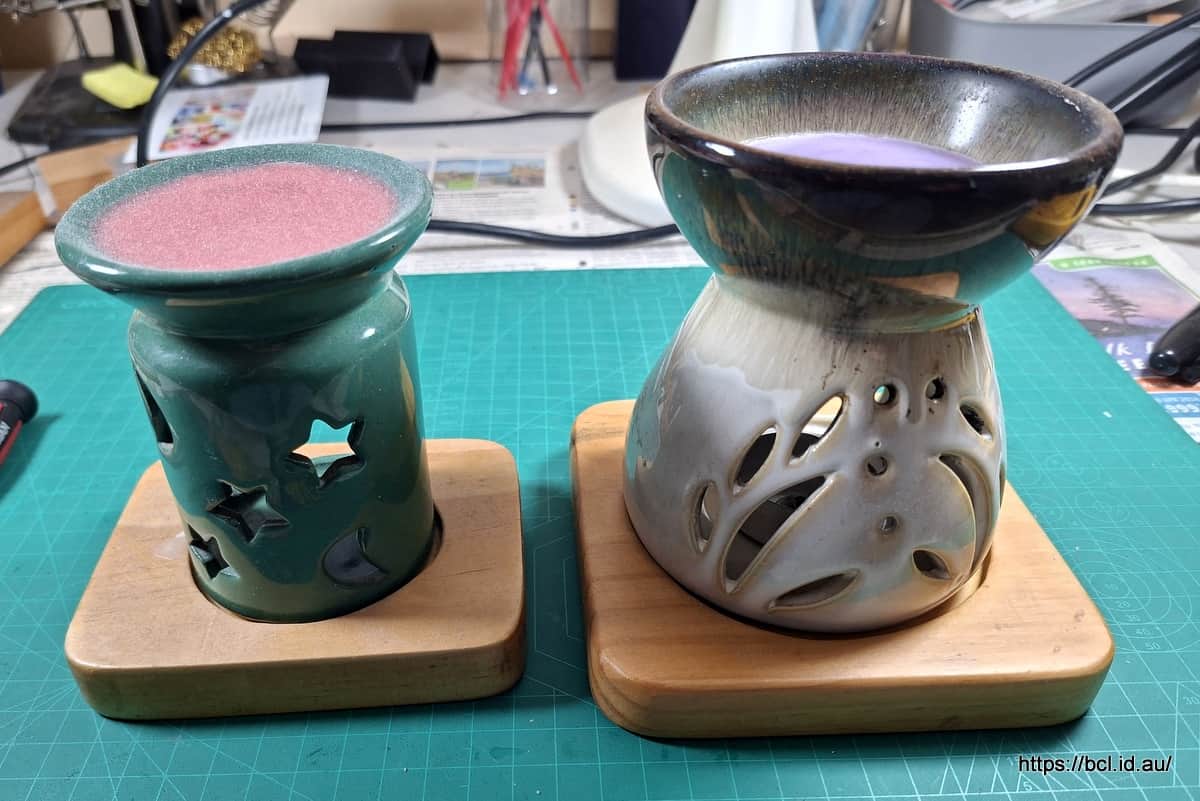
…what on earth is in your burners Bruce? Certainly does NOT look like natural oils (which I am guessing is what @Chilliboot is using)…