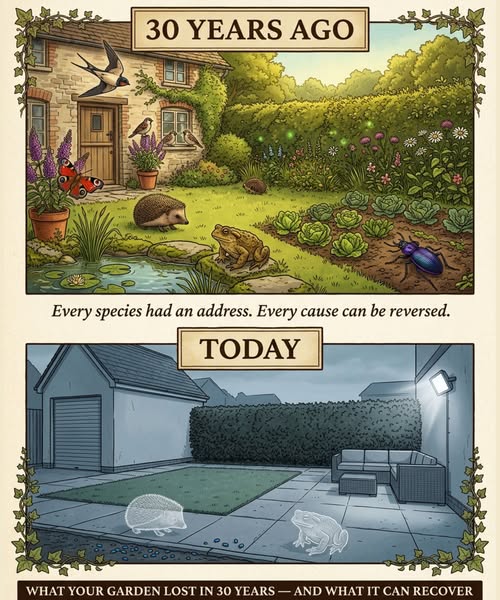
Thirty years ago, the average British garden sheltered hedgehogs crossing the lawn at dusk, swallows nesting under the garage eaves, glow-worms flickering along the hedge in June, common toads patrolling the borders after rain, and house sparrows squabbling over crumbs on the breakfast terrace.
That garden still exists. But it has fallen quiet.
The European hedgehog has declined by 30 to 50 per cent across much of Britain since the 1990s. The cause is not a predator — it is fragmentation. Solid fencing, rendered walls, and unbroken boundary structures have carved the landscape into sealed parcels. A hedgehog needs to travel two to three kilometres each night to feed. A fully enclosed garden is a trap, not a home. Cutting a 13 × 13 cm gap at the base of a fence reconnects an entire neighbourhood.
The barn swallow has lost a significant portion of its UK breeding population since the 1970s. It nests in open barns, garages, and outbuildings — spaces that were routinely left open a generation ago. Today, barns are converted to holiday lets, garage doors are automated, and outbuildings are sealed. The swallow returns each April to last year’s nest and finds a closed door. A 10 cm opening left in place from March to September restores the site.
The common glow-worm (Lampyris noctiluca) has disappeared from most suburban gardens. The cause is measurable: artificial light. The female emits a soft green glow at ground level to attract the flying male. A single security light floods that signal with competing photons. The male cannot find the female. Breeding stops. Switching off outdoor lights between 10 pm and 6 am from May to September is enough to restore it.
The common toad (Bufo bufo) returns each spring to the pond where it hatched. If that pond has been filled, paved over, or left to dry out — there is no fallback. A permanent pond of just 2 m², even without fish, re-establishes the breeding cycle within two to three years.
The house sparrow has declined by more than 50 per cent in UK towns and cities since the 1970s according to BTO monitoring. The cause is twofold: loss of nesting cavities as buildings are insulated and sealed, and collapse of the insects that chicks depend on in their first two weeks. A nest box with a 32 mm entrance hole and a patch of unsprayed lawn address both.
The peacock, small tortoiseshell, and red admiral — three butterflies that once visited every British garden — have become scarce in suburban areas. All three breed exclusively on nettles. A garden without nettles is a garden without these butterflies. Leaving one square metre of nettles in a sheltered corner is sufficient.
Solitary bees — mason bees, mining bees, and plasterer bees — need bare, firm soil for their nest tunnels and flowers from March to October. A fully mulched, regularly weeded garden planted with sterile ornamentals provides neither. A south-facing patch of bare earth and three metres of mixed flowering hedge restore both nesting habitat and foraging range.
The violet ground beetle (Carabus violaceus), the large metallic-blue predatory beetle that once patrolled vegetable rows after dark, has been lost from many gardens through slug pellet use and deep digging. Its larvae develop in the top ten centimetres of soil. Ground disturbance destroys them; slug control products harm the beetles that were eating the slugs. A no-dig approach and avoiding all pellets allows the ground beetle to return within two seasons.
The decline is not abstract. Each species that disappeared had an address — your roof, your hedge, your lawn, your pond, your wall. Each cause is identifiable. Each solution is within reach, costs almost nothing, and works within three years.
Yes very valid and highlights the potential for small beneficial changes.
On a less positive note, I saw that in towns and cities, the trend to pave / cement / tarmac front gardens in order to create off road parking. And then the trend to pave or deck a big chunk of the back garden. Surely this is more harmful and less easy to change as its close to permanent.
And don’t all these paved over areas for carparking and patios look hideous.
Where I live you’re not allowed to feed the birds and they bring out vermin control if too many squirrels are spotted in the gardens.
I really miss watching wildlife going about their business.
I miss not having a garden… doing things to encourage the wildlife was fun.
I used to make a moth attractor mix/gunge out of molasses stale beer and other ingredients that moths adore.
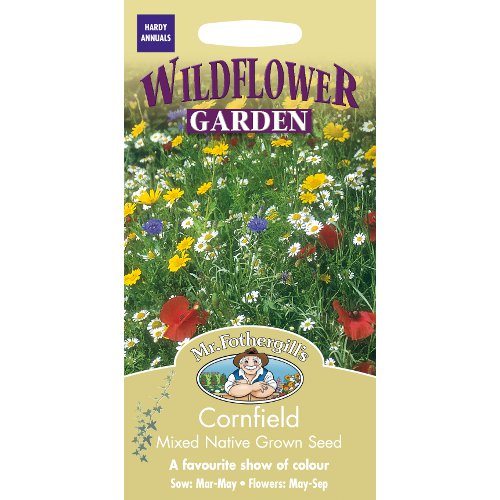
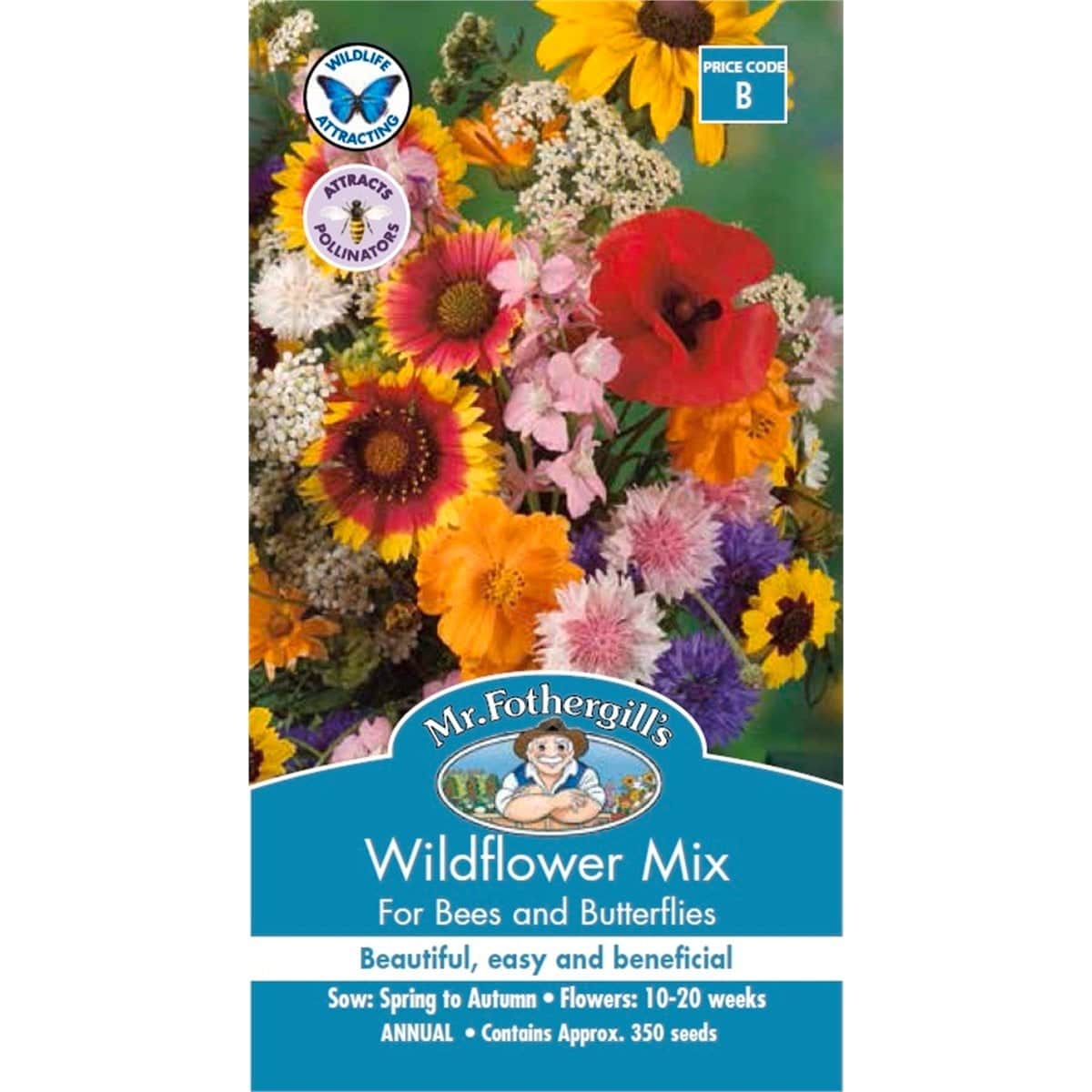
Those wild flower packets of seeds were a pleasure too!
I’m lucky living on a farm up on the North Coast, nearest neighbour is about a 1/4 mile away so I don’t bother anyone. I try to keep the garden wildlife friendly, yesterday I planted several more Lavender Plants for the bees.Would love a wee pond down the bottom of the garden, will do some persuading and get himself to make me one.
I do know my local railway station has volunteers who plant up flower tubs and borders on the platform that attract butterflies etc … they’ve even got a little bug hotel.
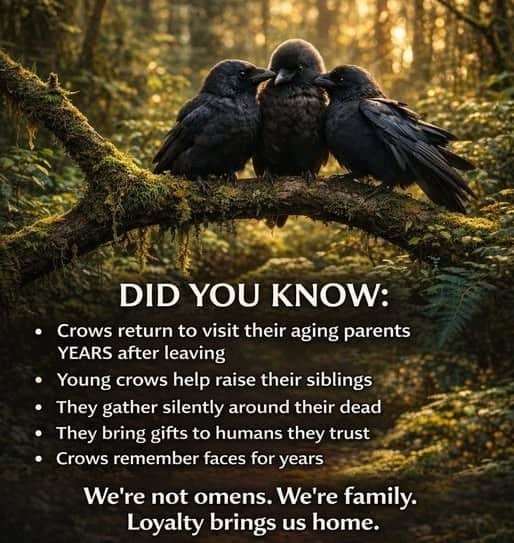
I have a couple of crows who nest in the trees at the bottom of the garden. They are so clever and they are not scared of me at all, I’m trying to get the bigger one to feed from my hand, he’s getting close but not sure enough yet.
Crows aren’t just birds—they’re loyal, intelligent, and deeply connected to family in ways we’re only beginning to understand.
They remember faces, return home, and even care for their own across generations.
In their quiet world, loyalty isn’t a choice—it’s instinct.
Maybe the next time a crow watches you… it already knows who you are.
Extra lines: They don’t forget kindness… or cruelty.
Their bonds run deeper than we ever imagined.
And sometimes, the wild understands loyalty better than we do.
Nope, for the wildlife, A small garden pond acts as a vital biodiversity hub for wildlife, providing water for drinking and bathing, a breeding ground for amphibians (frogs, newts) and insects (dragonflies, pond skaters), and a habitat for invertebrates. Even tiny container ponds provide essential hydration for hedgehogs, birds, and insects.
Yes. I totally agree with al your comments. I really dislike those sterile paved front gardens with a couple or three parked cars. Anyway where does the rainfall go to - just run down the drain when it should be soaking into the ground. I was pleasantly surprised to see a large toad crawling behind one of our greenhouses last year near a small pile of rotting wood. Butterflies and moths - not so many last year until later. It seems this was due to a wet spring. We do have a small pond in our back garden which is just a large round pot on some bricks. One at the veg plot is bigger and had frog spawn in the first week in February.
I had an out of the way corner that I could dedicate to wildlife, it was kind of satisfying to more or less leave it to it’s own devices and see what happened.
I didn’t either till I read about it. One of the crows that’s here every day is starting to trust me, get doesn’t fly away when I go outside he waits for me to put the food down. I’d like to make friends with him but the balls in his court, so to speak.